Industry Applications
Measuring AI Adoption in Enterprises: Metrics, Maturity, and Meaningful Growth

Effective collaboration is the backbone of any successful team, but too often, it’s slowed down by disconnected tools, endless email threads, and scattered information. Read on to learn more.

Perhaps you have already proven that artificial intelligence delivers value.
The dashboards display cost savings, faster workflows, and significant improvements in developer productivity...
After all, according to McKinsey’s global survey, enterprises investing strategically in AI report operational efficiency and productivity gains of up to 40%! Particularly, in functions such as software development and customer operations (McKinsey & Company, 2023).
Yet, if you ask who in your company is actually using AI tools and how deeply they are changing daily work, the room often goes quiet.
That silence matters.
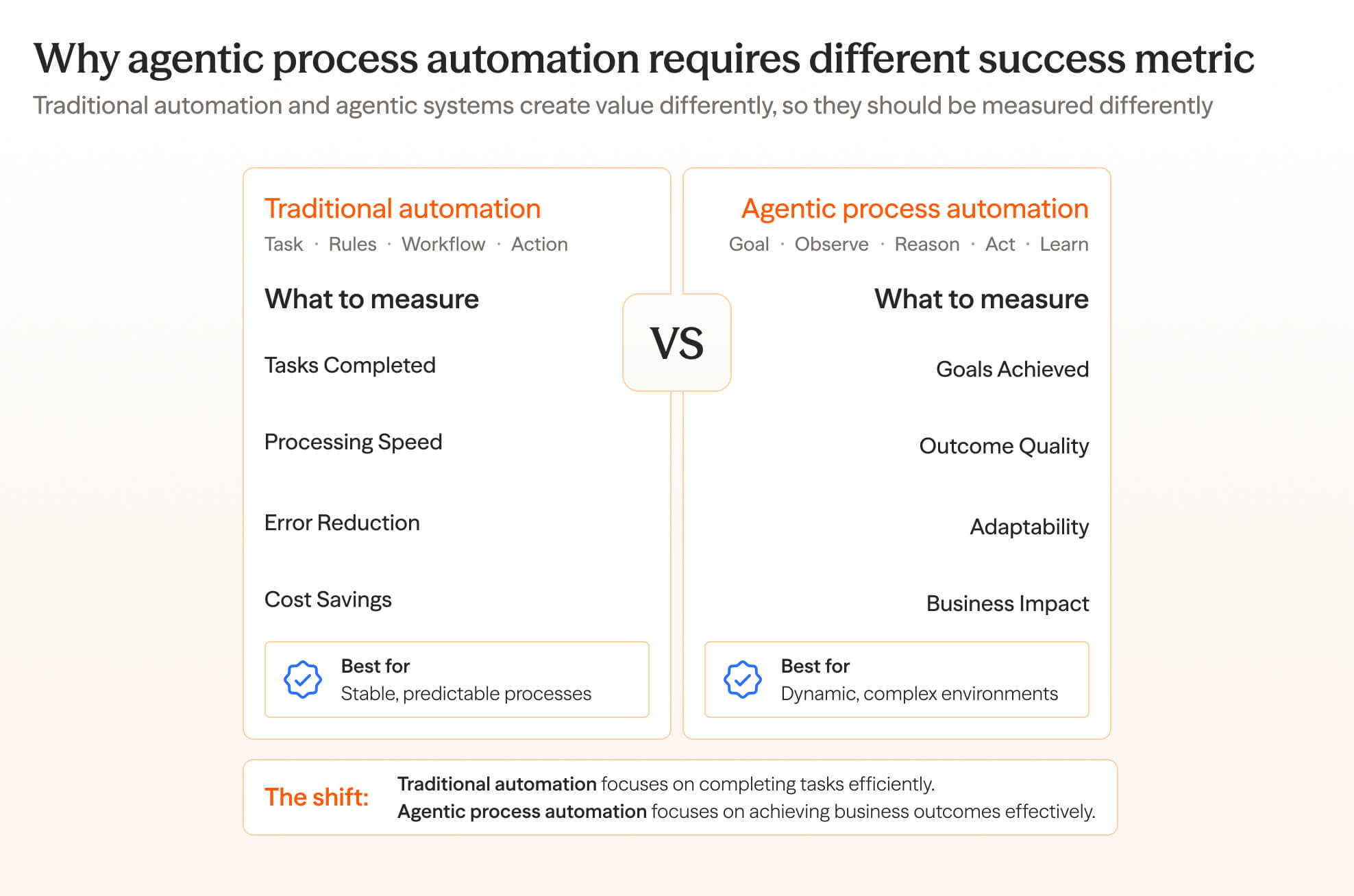
Many enterprises can calculate the ROI of AI, but far fewer can measure AI adoption metrics. It is one thing to prove value; it is another to ensure that value scales across people, teams, and business functions. Measuring adoption answers that second question.
This difference is now the next step for enterprise maturity. AI success depends as much on people and processes as on algorithms and data analytics (Fenwick et al., 2024). For business leaders, adoption metrics show how deeply AI agents, automation, and AI systems are part of daily operations. They reveal whether machine learning and digital tools are truly changing work or just present around it.
In this article, we will explore what effective AI adoption metrics look like, how they vary by industry and maturity level, and how organizations can collect, analyze, and act on them to scale AI adoption responsibly and sustainably.
Why Measuring AI Adoption Matters for Enterprises
If ROI tells us what artificial intelligence delivers, AI adoption metrics reveal whether that value can truly take root. Measuring AI adoption in enterprises provides the visibility leaders need to understand how intelligence spreads through the organization and where it meets resistance.
Today’s challenge is not proving that AI works, but ensuring it works everywhere it should across departments, workflows, and teams. Tracking adoption metrics shows where AI agents and automation workflows are thriving and where confusion or hesitation slows progress (OECD, 2025).
Enterprises that measure adoption gain what can be called a decision advantage. They can identify which business functions benefit most, where developer experience or training and education need reinforcement, and how to enhance both engagement and developer productivity (Song, Qiu, & Liu, 2025).
Adoption measurement also builds accountability. It aligns AI initiatives with every business objective, supports responsible AI governance, and prevents automation from turning into “shelfware.” Tracking usage, engagement, and satisfaction creates an early warning system for risks before they spread.
Finally, AI adoption metrics strengthen transparency and compliance. They ensure that automation remains auditable, ethical, and aligned with data privacy standards throughout the data lifecycle (OECD, 2025). In this sense, adoption metrics are not just management tools. They are the foundation of sustainable AI adoption and long-term enterprise transformation.
AI Adoption Maturity: From Pilot to Transformation
Every enterprise wants to say it is “AI-driven,” yet many still operate in pilot mode (Boston Consulting Group, 2024). Measuring AI adoption metrics helps turn those isolated experiments into a scalable transformation.
The first step?
Knowing where you stand on the adoption maturity curve!
A clear AI adoption maturity model allows leadership teams to benchmark progress, prioritize investments, and design realistic next steps. It also reinforces that the adoption of AI is not a one-time event but a continuous journey of learning, scaling, and integration. Most enterprises move through five practical stages, whether they realize it or not (Woerner et al., 2025).
1. Experimentation
At this stage, teams test AI technologies through small proofs of concept. Success is measured in discoveries rather than outcomes. Metrics often include the number of pilots, user feedback, and feasibility studies. It is a safe space for curiosity, but also where many organizations get stuck.
2. Adoption
Here, specific AI tools and AI agents begin supporting defined workflows. Departments automate repetitive tasks and measure usage frequency, satisfaction, and time saved. AI metrics on adoption at this stage reveal early wins and highlight where training or integration needs more attention.
3. Integration
AI becomes part of the business fabric. Cross-department collaboration increases as workflows connect data sources and align with company goals. Key AI metrics shift toward engagement, workflow completion rates, and developer productivity. Governance and security controls mature to responsibly manage customer data.
4. Optimization
Enterprises in this phase refine AI-enabled systems through ongoing data analytics and monitoring. The focus moves from “who uses AI” to “how well it performs.” AI-driven metrics begin to capture automation accuracy, workflow efficiency, and developer experience. Teams use insights to improve processes and reinforce trust in AI technologies.
5. Transformation
At this final stage, AI agents orchestrate complex workflows autonomously. Measurement expands to strategic business outcomes such as market agility, innovation speed, and customer satisfaction (Alghamdi & Agag, 2023). The organization treats AI not as a tool but as infrastructure for competitive advantage. Sustainable AI adoption is supported by governance, feedback loops, and continuous skill development through qualification frameworks and training programs.
Understanding where your enterprise sits on this maturity curve helps set realistic goals for scaling. It also ensures leadership focuses on the right AI adoption metrics for each stage rather than applying one-size-fits-all success criteria. When measured thoughtfully, AI adoption maturity becomes a roadmap to real transformation.
What Are the Core AI Adoption Metrics to Track
If ROI tells us whether artificial intelligence is delivering value, AI adoption metrics reveal whether that value can scale across the enterprise. Tracking adoption means more than counting users or licenses. It is about understanding how deeply AI agents and automation workflows are embedded in daily work, how confidently teams use them, and how effectively they improve decision-making and collaboration.
A strong measurement framework organizes adoption metrics into four key dimensions: engagement, behavior, capability, and governance. Together, they show not only how often AI is used but how meaningfully it transforms work.
Engagement Metrics
Engagement metrics measure participation and interaction. They answer the question: How many people are actively using AI tools, and how often?
Key indicators include:
Active user rates across departments;
Workflow participation frequency;
Repeat usage and retention over time;
Session length and AI interaction depth.
These insights reveal adoption momentum and highlight where employees need additional support, clearer communication, or more intuitive AI workflows.
Behavioral Metrics
Behavioral metrics reveal how artificial intelligence changes work patterns. Instead of focusing solely on output, they measure how people perform and coordinate tasks.
Typical indicators include:
Percentage of workflows automated or AI-assisted.
Average time saved per task or process.
Change in decision turnaround time.
Collaboration rates between AI-enabled and non-AI teams.
When tracked consistently, these metrics show how AI reshapes habits and drives collective productivity improvements across departments.
Capability Metrics
Capability metrics assess readiness and skill maturity. They help leaders understand how well employees and teams are equipped to use AI effectively.
Examples include:
AI literacy scores from enablement or training programs.
Number of self-built or customized AI workflows.
Cross-functional adoption breadth (how many roles use AI daily).
Rate of improvement in model performance through user feedback.
These indicators reveal whether an enterprise is developing real AI fluency or simply deploying tools without embedding AI capabilities into its culture.
Governance Metrics
Governance metrics ensure that AI adoption remains sustainable, compliant, and aligned with responsible AI practices.
Key examples include:
Policy adherence rates and audit outcomes.
Data privacy compliance and access control.
Ethical review frequency for AI workflows.
Transparency and explainability scores for automated decisions.
Tracking governance metrics helps organizations scale responsibly. Mature enterprises treat these measures as enablers of trust and long-term transformation rather than as operational constraints (IAPP & FTI Consulting, 2024).
When viewed together, these four categories provide leadership teams with a comprehensive view of adoption health. They balance participation with depth, skill with governance, and short-term engagement with long-term cultural change. For enterprises, this clarity turns AI adoption from a vague concept into a measurable and strategic business discipline.
How to Collect, Analyze, and Benchmark Adoption Data
Once an organization defines what to measure, the next challenge is learning how to measure it effectively. Collecting AI adoption data is not just about generating reports; it is about creating a feedback loop that shows how AI is being used, how behavior is changing, and where adoption can improve.
A strong data strategy allows enterprises to move from assumptions to evidence. By collecting the right information, analyzing it consistently, and benchmarking it against peers, leaders gain the visibility needed to guide AI adoption confidently.
1. Data Collection: Turning Usage into Insight
Effective measurement begins with identifying the touchpoints that reflect real adoption behavior.
Common data sources include:
Platform analytics tracking workflow execution, user logins, and task completions;
Integration data showing AI tool connections to enterprise systems such as CRM or ERP;
Feedback from employee surveys or in-app responses;
Training systems tracking AI literacy progress and certification rates.
To ensure accuracy, organizations should standardize how active use is defined. For example, count employees who use AI tools weekly rather than those who simply have access. Clear definitions prevent inflated adoption reports and allow consistent benchmarking over time.
2. Analysis: From Metrics to Meaning
Collecting data is only the first step. The real value lies in interpreting patterns and relationships that reveal how AI adoption affects performance.
Key analysis approaches include:
Correlating adoption metrics with business outcomes such as productivity, cost reduction, or customer satisfaction;
Identifying adoption hotspots and gaps across departments or regions;
Tracking longitudinal data to see how engagement evolves over time;
Comparing actual usage with intended design to uncover underused features or workflow friction.
Advanced analytics, such as clustering or regression, can show which factors most influence AI adoption success. For instance, teams with higher AI training participation often sustain engagement longer (OECD et al., 2025).
3. Benchmarking: Knowing What “Good” Looks Like
Benchmarking adds context to adoption data and helps organizations understand whether their adoption maturity is strong, average, or lagging compared with peers (IBM, 2024).
Three main benchmarking methods are typically used:
Internal benchmarking: Compare adoption metrics across business units to identify best practices.
External benchmarking: Measure against industry standards or research from firms like Gartner or Deloitte.
Temporal benchmarking: Track adoption trends over time to measure continuous improvement.
Benchmarking should focus on insights, not competition. The goal is to understand what drives success and replicate it enterprise-wide.
4. Integrating Adoption Data into Decision-Making
The ultimate purpose of adoption data is to guide better business decisions. Leadership teams can use analytics to refine investments, training programs, and governance strategies.
For example:
Low engagement might signal unclear value or poor integration.
Strong adoption in one department can serve as a model for others.
Feedback trends can reveal when governance feels overly restrictive.
Integrating AI adoption metrics into quarterly business reviews ensures adoption remains a strategic priority rather than just a technical report.
In short, collecting and analyzing adoption data turns measurement into momentum. Once adoption becomes visible and measurable, it can be managed, scaled, and continuously improved.
How to Use Adoption Data to Drive Culture and Scale Adoption
Collecting AI adoption data only matters if it drives meaningful action. The real purpose of AI adoption metrics is to help organizations learn, adapt, and strengthen a culture of intelligent automation. Turning insight into improvement is what separates successful enterprise AI adoption from stalled initiatives.
Turn Feedback into a Growth Engine. Feedback reveals where adoption thrives or struggles. Gather it through in-app prompts, surveys, and usage logs, then use it to refine workflows, training programs, and communication (Saghafian et al., 2021). When employees see their input leading to visible change, engagement and trust rise naturally. AI adoption becomes a shared mission rather than a management mandate.
Strengthen Developer Experience. Developer productivity directly shapes how fast new AI agents, workflows, and automations spread (Gartner, 2023). Track metrics like deployment speed, iteration frequency, and workflow stability to monitor efficiency. A strong developer experience accelerates enterprise AI adoption by reducing friction, increasing creativity, and driving sustainable scaling.
Link Metrics to Business Outcomes. AI adoption metrics gain meaning when connected to measurable business results. In marketing, track how AI agents improve campaign turnaround time. In finance, measure faster reconciliation cycles. In healthcare, assess how AI-enabled systems improve efficiency while maintaining compliance. Aligning metrics with outcomes ensures that AI adoption supports real operational and strategic goals.
Build a Responsible AI Culture. Sustainable adoption depends on trust and transparency. Embedding responsible AI principles, clear data governance, and targeted training builds confidence across teams. When employees understand both the benefits and safeguards of AI, they participate more willingly and responsibly, strengthening enterprise readiness for scaling.
In short, the best organizations use AI adoption data as a learning tool, not just a report. Feedback, developer support, and cultural trust help turn metrics into ongoing improvement. When this happens, adoption builds on itself, driving innovation, accountability, and long-term advantage.
Common Pitfalls in Measuring Adoption (and How to Avoid Them)
Even the most data-driven enterprises can misread their own AI adoption story. The issue is rarely a lack of data, but measuring the wrong things or missing the context behind the numbers. Avoiding these AI pitfalls is critical to building a reliable AI adoption strategy that reflects how people truly engage with intelligent systems.
Common pitfalls and how to avoid them:
Counting users, not outcomes: Tracking logins or workflow launches without linking them to real impact creates a false sense of progress. Pair participation metrics with outcome-based indicators such as task completion, time saved, or quality improvement.
Ignoring differences across functions: Adoption often thrives in some departments while lagging in others. Segment AI adoption metrics by team, region, or process to understand where AI tools fit best and where training or workflow redesign is needed.
Measuring at the wrong time: Early data reflects novelty, while late data can miss key adoption trends (Schrage et al., 2024). Establish phased measurement (covering early engagement, active use, and long-term retention) to capture the full adoption curve.
Weak data governance: Poor tagging, inconsistent definitions, or unclear ownership can distort adoption insights (World Economic Forum, 2025). Maintain strong data hygiene, governance frameworks, and privacy standards to ensure the accuracy and credibility of AI adoption analytics.
Forgetting the human element: Fear or confusion can slow even the best technology rollouts. Communicate purpose clearly, highlight small wins, and provide ongoing education to build confidence and trust in AI-driven workflows.
Measuring adoption is about people as much as it is about numbers. The goal is not perfect accuracy, but useful insights that help the organization grow, learn, and adapt. When leaders use AI adoption metrics as a guide for ongoing improvement, not just as a scoreboard, transformation becomes measurable, sustainable, and scalable.
How Capably Helps Enterprises Measure and Scale AI Adoption
After a company decides what to measure, the next challenge is tracking adoption consistently across teams. Many companies have dashboards for financial or CRM data, but lack a single view of how AI is used in daily work. This is where Capably comes in.
Capably is an AI-driven operations platform built to help enterprises manage and scale automation responsibly. It brings together measurement, visibility, and governance to show exactly how AI agents and workflows are being adopted across the organization. Using Capably, leaders gain real-time insight into engagement levels, adoption depth, and measurable efficiency gains, all within a single control environment.
Unified visibility into adoption: The platform’s AI Control Hub acts as a single source of truth for adoption metrics. It tracks how many employees actively engage with AI workflows, which departments use automation most frequently, and how many hours or tasks are being saved. It also gathers sentiment and feedback, helping teams understand not only where AI is deployed but also how effectively it supports productivity and collaboration.
Data that drives decisions: Capably connects usage analytics directly to business outcomes. Teams can pinpoint where engagement is rising, where additional training or enablement is needed, and which workflows deliver the strongest measurable results. It's built-in audit trail ensures compliance with data governance, privacy, and reporting standards, supporting both transparency and accountability.
Empowering every employee: Sustainable adoption depends on trust and participation. Capably gives every employee visibility into their own adoption metrics and efficiency gains, encouraging engagement and continuous feedback. This helps organizations build a culture of collaboration, learning, and shared ownership over automation success.
With this kind of transparency and measurement discipline, enterprises can finally monitor AI adoption with the same precision they apply to ROI. Capably helps organizations turn AI adoption metrics into sustained momentum, ensuring their AI-driven operations grow responsibly, measurably, and in alignment with strategic business outcomes.
The New KPI: Adoption as a Competitive Edge
ROI tells us whether AI delivers value. Adoption reveals whether that value can scale. Together, they form the foundation of intelligent enterprise growth.
As organizations mature in their AI journey, measuring adoption becomes just as vital as tracking financial impact. Adoption metrics show where intelligence is truly taking root across people, workflows, and decisions. They highlight not only who is using AI but how deeply it is transforming the way work gets done.
For leaders, this shift is not about replacing ROI but expanding it. True success lies in combining measurable outcomes with visible participation. As adoption grows, culture evolves, and ROI naturally strengthens.
Capably helps companies find this balance by making AI adoption visible and measurable. With engagement tracking, responsible governance, and actionable insights, organizations can scale AI with confidence while keeping people and performance at the center.
In the end, lasting transformation comes from adoption that sticks. Companies that invest in both value and participation will see stronger returns and build the agility, trust, and skills needed to lead in the era of intelligent operations.
Continue reading