Industry Applications
From Inquiry to Closing: Automate Your Entire Real Estate Workflow

Effective collaboration is the backbone of any successful team, but too often, it’s slowed down by disconnected tools, endless email threads, and scattered information. Read on to learn more.

Running a real estate business often feels like firefighting. Leads arrive by the dozen, paperwork piles up, and client relationships need constant tending while deals move at their own pace. Real estate workflow automation changes that. It takes repetitive task management off your team's hands, allowing people to focus on strategy, client engagement, and revenue-generating work.
This is not about replacing agents, but about maximizing expertise. Smart automation minimizes bottlenecks in property listings, client onboarding, and transactions, freeing your team to deliver exceptional client service and drive growth. The following sections detail what to automate and how to get started, with Capably as an example.
Why Now: The Market Drivers Behind Real Estate Workflow Automation
If the last few years in real estate have felt like running a marathon at sprint pace, you are not imagining it. Buyer expectations, digital competition, and market fluctuations are accelerating at an unprecedented speed. A recent systematic review finds that digital transformation is reshaping real estate operations, marketing, and asset management more rapidly than ever before, creating a competitive environment where agencies must operate with precision and speed to succeed (Al‑Haimi et al., 2025). Manual processes alone cannot sustain performance in this fast-moving landscape.
According to Fortune Business Insights, the global AI in real estate market is projected to reach $988 billion by 2029, growing at a CAGR of more than 30% (The Business Research Company, 2024). This surge reflects a wider transformation in how property businesses operate, spanning property and lead management, marketing, and financial management.
For decision-makers, automation technologies have shifted from optional to essential for scalable, efficient real estate management.
Competitive Pressure Is Mounting
A recent PwC survey found that over half of mid-sized real estate firms have already embedded some form of workflow automation or agentic automation into daily operations. These leaders report faster deal cycles, reduced human error, and improved ROI across both transaction management and client-facing services (PwC, 2023).
Competitors are not waiting for the perfect moment to digitize their workflows. They are already doing it and steadily gaining advantages.
Client Expectations Have Changed
Modern buyers and tenants live in a world of instant access. They can order groceries, apply for loans, or book travel in minutes. It is only natural that they expect the same responsiveness from their real estate professionals. Research by Zillow indicates that responding to a lead within five minutes increases your chances of securing a meaningful conversation by 100 times (Zillow, 2022). Workflow automation helps real estate firms meet client expectations without overworking their teams. Automated replies, lead routing, and AI chatbots keep clients engaged, while staff have more control over their schedules.
The result is not just efficiency; it is a measurable improvement in client satisfaction and reputation, two assets no C-suite leader can afford to neglect.
The Evolution: From Basic Workflows to Agentic Automation
Real estate firms have long used basic workflow automation for tasks like reminders, email campaigns, and data entry. While these tools improved efficiency, they followed strict rules and could not handle unexpected situations. Now, a new level of automation is available: agentic automation.
Agentic automation is a form of intelligent process automation that can understand context, make decisions, and take initiative across multiple systems. It acts more like a capable assistant than a fixed rule engine. Instead of waiting for human input, these agentic AI-driven systems can plan tasks, prioritize workloads, and learn from client behavior to improve over time.
For real estate professionals, this means routine actions such as contract generation, document filing, and scheduling can run seamlessly in the background. Imagine a digital team member who connects your CRM software, email, and property management systems, ensuring every stage of the client journey runs smoothly. Recent research estimates that AI-driven automation could generate tens of billions of dollars in efficiency gains across the real estate sector, underscoring the transformative potential of these tools (Morgan Stanley Research, 2025).
Capably, for example, uses agentic automation to coordinate workflows. It can trigger property listing updates, synchronize transaction management, or follow up with leads using real-time insights. The system makes sense of information, not just moves it. This shift elevates automation from simple efficiency to strategic intelligence.
Unlike older automation tools that required heavy IT involvement, modern AI-powered workflow automation platforms are accessible to non-technical teams. Real estate managers can design workflows through visual interfaces, test improvements quickly, and see immediate impact. This accessibility is reshaping how agencies operate, opening the door for smarter task management, faster client responses, and more predictable outcomes.
In short, the move from traditional workflow automation to agentic automation is not just a technology upgrade. It represents an operational transformation that frees leaders to focus on strategy, growth, and innovation.
The Strategic Benefits of AI Workflow Automation
When business leaders evaluate new technology, they usually ask one key question: how will this improve performance without disrupting the business? In real estate, the answer lies in measurable outcomes such as time saved, smoother operations, and better decision-making. Real estate workflow automation supports all three.

Reclaiming Time and Resources
Automation streamlines administrative tasks that once consumed hours of valuable staff time. Activities such as document filing, payment reminders, and task management updates can run automatically, freeing up professionals' time for high-value client interactions and relationship-building. Firms using AI-powered workflow automation report notable reductions in processing times, sometimes by as much as 40%, according to industry case studies (Centelli, 2024).
Reducing Costs and Improving Accuracy
Manual processes often lead to mistakes. Missed emails, lost contracts, or old data can waste time and money. Automated transaction management and contract creation help ensure consistency and compliance. For example, with Capably’s automation, a real estate agency can fill in client information across CRM software, marketing, and finance tools. This avoids duplicate work and makes audit trails clearer.
Enhancing Client Engagement and Satisfaction
Today’s clients expect speed, transparency, and proactive communication. Through marketing automation and AI chatbots, firms can deliver updates instantly while keeping the human touch where it matters most. A well-implemented real estate marketing automation setup can nurture leads, personalize messages, and provide real-time answers around property listings and availability.
Automation also supports customer relationship management by capturing every interaction, helping teams anticipate needs, and improving client satisfaction through faster, more consistent service. When these systems are integrated with Property Management and financial tools, leaders gain a unified view of performance that informs smarter business decisions (Zenphi, 2023).
Ultimately, automation is about empowering your organization to scale confidently and adapt. By combining data, intelligence, and efficient workflows, real estate professionals can minimize operational strain and strengthen their competitive advantage.
What Core Real Estate Processes Can You Automate Today?
Real estate operations span multiple domains: client acquisition, property management, transactions, and back-office administration. Each area contains repetitive tasks that, if automated, can free up significant time and improve performance. Strategically implementing real estate workflow automation ensures leaders see measurable gains without overhauling the business.
What if those routine, time-consuming processes could practically run themselves? With agentic AI platforms like, for instance, Capably, they can.
Whether it’s booking property viewings the moment a lead shows interest, sending timely contract reminders, or automatically updating your reporting dashboards, these workflows get handled seamlessly, without a single line of code.
With Capably, you can:
Rely on an AI Capability Library of ready-made workflows built for real estate teams. From lead follow-ups and onboarding to contract tracking and reporting. Just answer a few prompts, and you are live.
Or create your own, using a simple natural language interface that turns everyday tasks into smart, self-running systems.
Let’s dive into the workflows that bring the biggest impact, so you can start reclaiming time and closing more deals today.
Client Acquisition and Lead Management
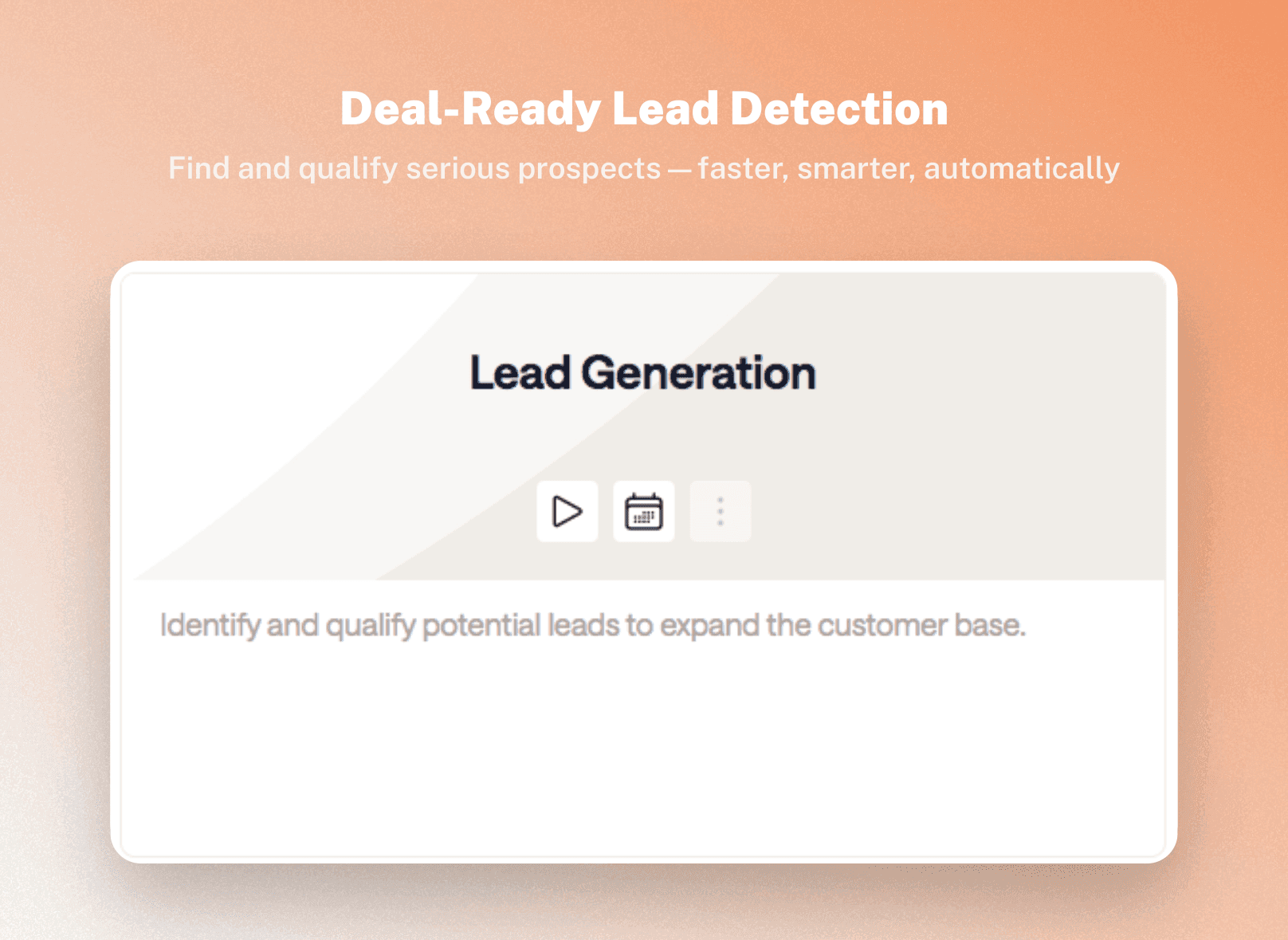
Acquiring and converting leads is central to growth, yet it often consumes the majority of an agent’s time. Modern lead management software and lead generation platforms can automatically qualify prospects, routing high-intent buyers and sellers to the right team members.
For instance, Capably demonstrates how AI chatbots can engage prospective clients immediately, gather essential information, and schedule follow-ups. When combined with marketing automation, this ensures timely, personalized communication across email, social media, and SMS. The result is more leads nurtured efficiently, fewer lost opportunities, and enhanced client engagement.
Operations and Transaction Management
Behind every closed deal is a web of contracts, approvals, and reporting. A document automation workflow can parse contracts, track deadlines, and integrate with transaction management platforms to ensure nothing falls through the cracks. Capably’s agentic automation capability can automatically update property management records, synchronize calendars, and generate compliance reports without manual intervention.
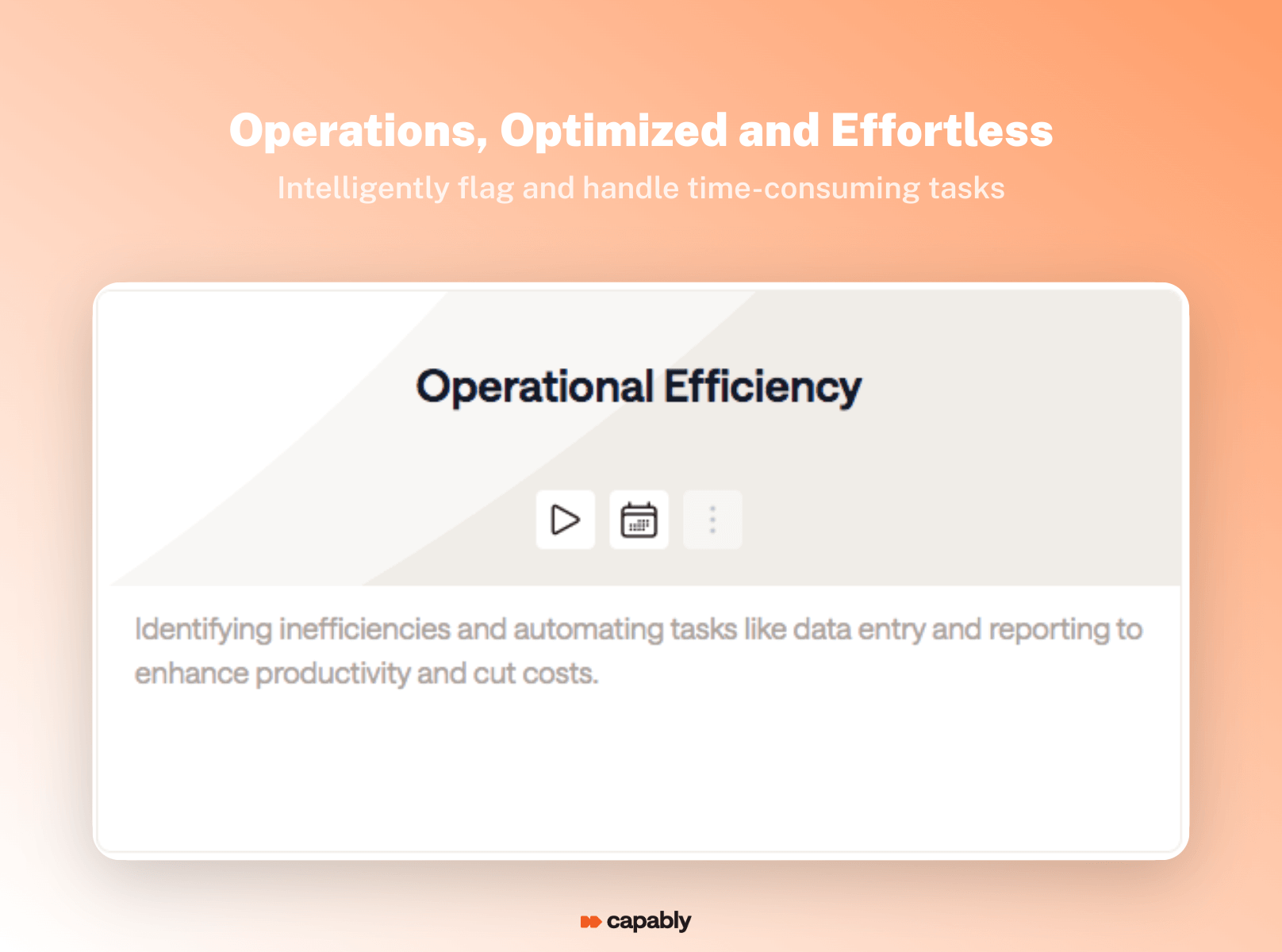
Routine task management also benefits from automation. Tasks like sending reminders, updating dashboards, or assigning follow-ups can all run automatically, reducing errors and giving teams more bandwidth for high-impact activities.
Client Experience and Retention
A strong customer relationship management system is critical for ongoing success. Automation supports client onboarding, personalized communication, and proactive follow-ups.
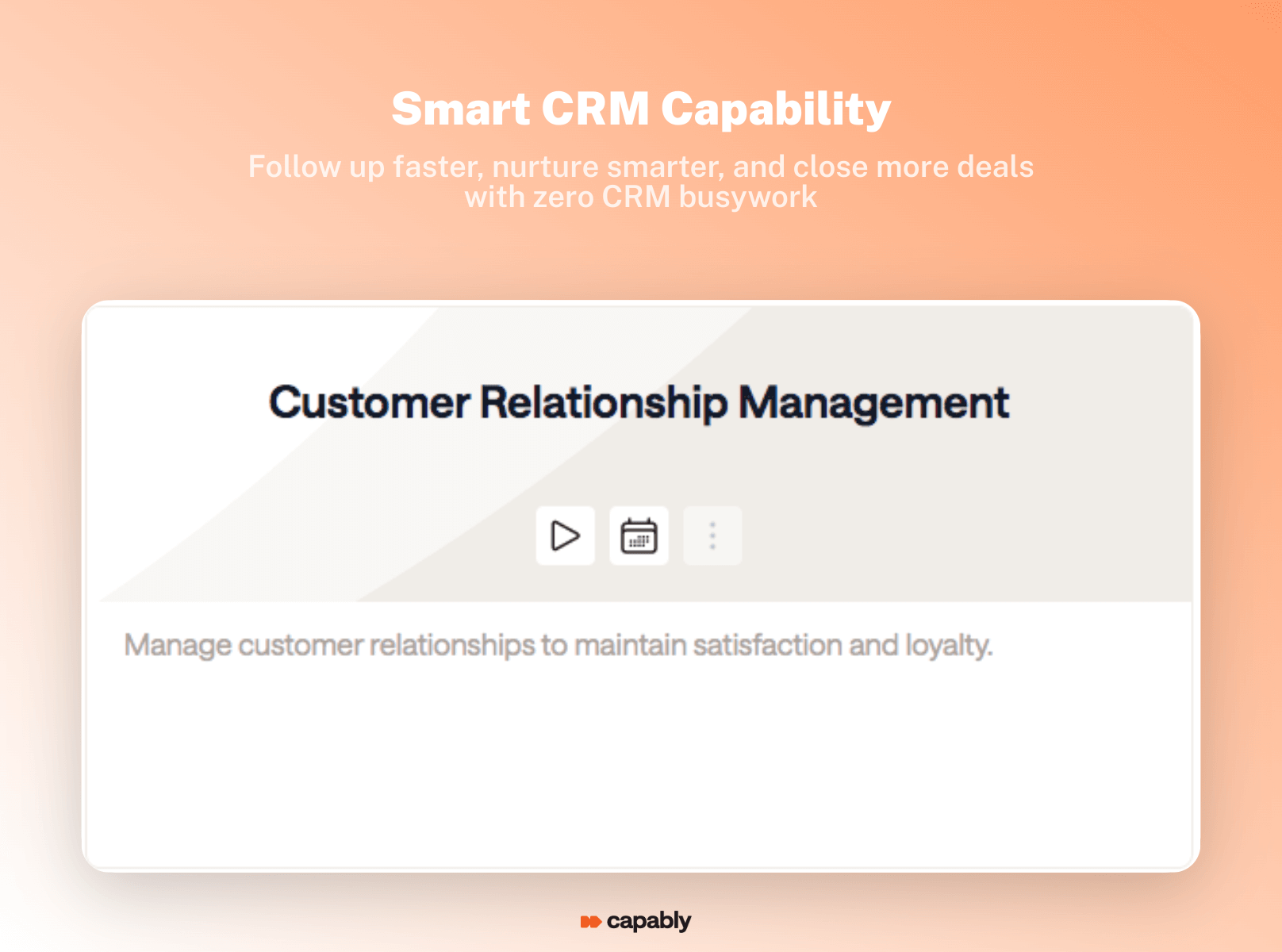
AI-powered chatbots can answer routine questions, track client interactions, and alert human agents only when escalation is needed. This ensures faster responses, higher client satisfaction, and stronger client relationships over time.
Finance and Analytics
Automation is equally powerful in financial operations. Systems for Financial Management, billing, and reporting reduce manual reconciliation and errors, while advanced analytics provide leaders with real-time insights. By integrating back-office automation with front-line operations, agencies can track performance metrics, optimize workflows such as invoice processing, and make data-driven decisions with confidence.
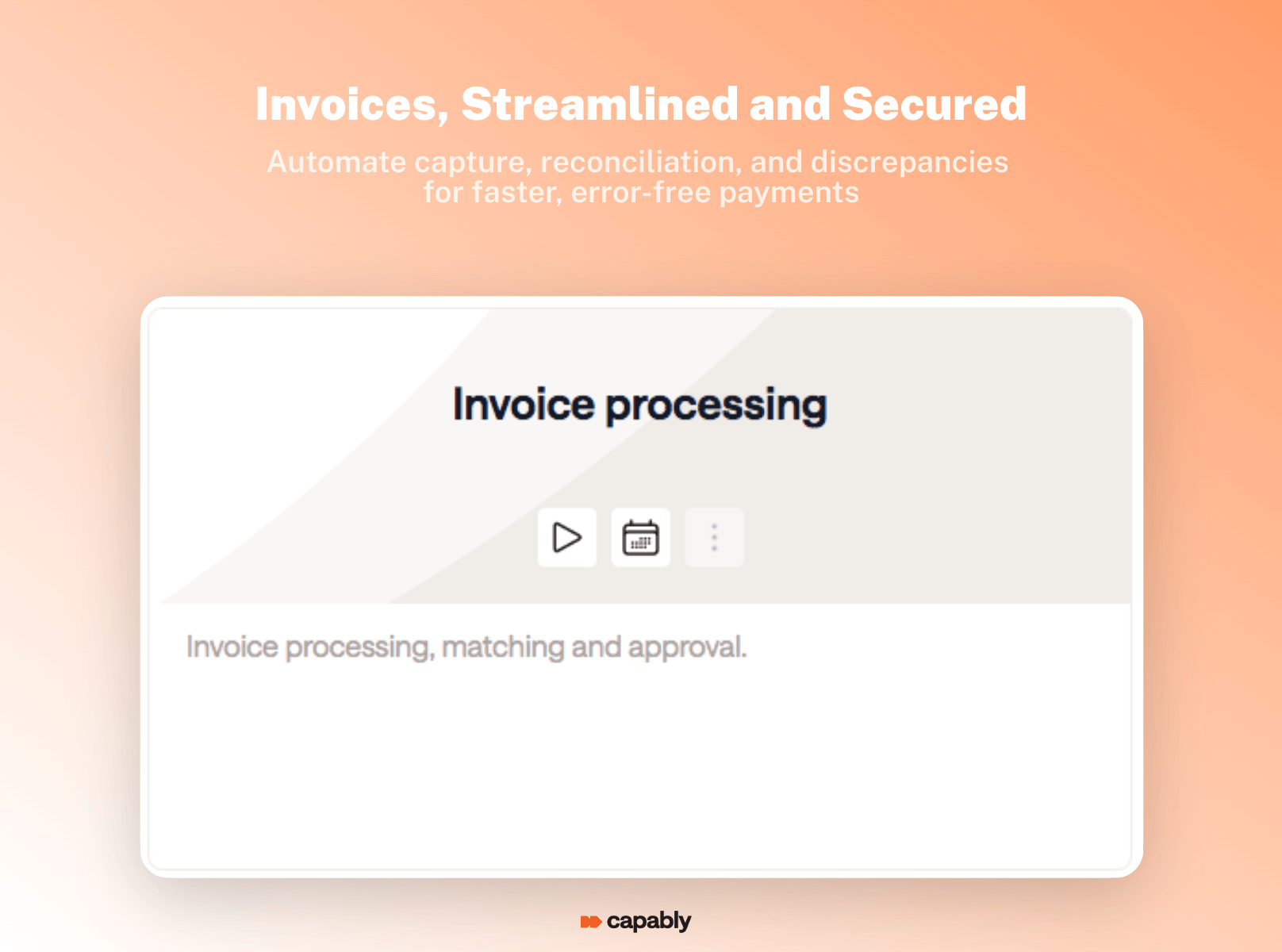
Real estate firms that strategically implement these automated workflows not only improve efficiency but also position themselves to scale sustainably while maintaining high service standards.
Assessing Readiness: Is Your Agency Ready for Automation
For real estate leaders, the decision to implement real estate workflow automation should be strategic, not reactive. Not every firm needs every tool, but understanding operational bottlenecks, client demands, and growth ambitions can clarify where automation will deliver the most value.
Signs Your Agency Can Benefit
Time lost to repetitive tasks: If agents spend significant hours on data entry, scheduling, or manual updates, automation can reclaim that time for revenue-driving work. Efficient task management and workflow orchestration enable teams to focus on strategic initiatives rather than administrative burdens.
Leads falling through the cracks: Missed follow-ups or delayed responses reduce conversion. Lead management software and client onboarding automation ensure inquiries are captured, prioritized, and automatically routed to the right agents, increasing conversion rates.
Scaling constraints without adding headcount: Growth does not always mean hiring more staff. Automated transaction management platforms, document automation platforms, and agentic automation tools enable agencies to handle higher volumes of deals and client interactions without overloading existing teams.
Inconsistent client interactions or satisfaction: If communication varies between agents or clients experience delays, automation can standardize processes while still allowing personalization. Integrating customer relationship management (CRM software) with AI-powered chatbots supports faster responses and consistent updates, improving client engagement and client satisfaction.
By evaluating these areas, leaders can determine whether their agency is ready to strategically implement automation technologies. The goal is not just to reduce busywork but to create a scalable, predictable, and client-focused operation.
How to Implement Real Estate Workflow Automation
Implementing real estate workflow automation requires careful planning to ensure that tools enhance operations rather than disrupt them. Leaders should approach AI adoption with a structured, step-by-step roadmap that balances quick wins with long-term strategy.
1. Audit Existing Processes
Begin by mapping workflows across client acquisition, property management, transactions, and back-office operations. Identify repetitive tasks, bottlenecks, and areas where errors or delays occur. For example, tracking manual updates to property listings or managing contract approvals often reveals opportunities for automating task management.
2. Define Strategic Goals
Automation should support measurable outcomes such as faster lead conversion, improved client onboarding, or enhanced reporting. Decide whether your priority is operational efficiency, client experience, or both. Setting clear goals ensures ROI can be measured and communicated to stakeholders.
3. Choose the Right Tools
Select platforms that integrate seamlessly with existing CRM software, transaction management platforms, and financial or document systems. Modern AI-powered workflow automation tools like Capably allow agencies to implement agentic automation without extensive IT resources. Visual interfaces enable the rapid design of workflows, system integration, and performance monitoring.
4. Pilot and Iterate
Start small with a few high-impact workflows, such as automated lead follow-ups, contract reminders, or reporting dashboards. Track performance metrics and gather feedback from teams. Refinement is crucial—automation should adapt to client behavior and operational realities, not force teams to adapt to it.
5. Scale Gradually
Once pilots demonstrate success, expand automation across departments. Integrate marketing automation for campaigns, document automation platforms for contract handling, and AI chatbots to support client queries. Scaling gradually reduces risk while reinforcing consistency and reliability across the enterprise.
6. Monitor and Optimize
Automation is not a “set it and forget it” solution. Establish regular reviews of workflow performance, task management, and client engagement metrics. Leverage advanced analytics to identify areas for further improvement, uncover hidden bottlenecks, and ensure your agency continues to operate at peak efficiency.By following this roadmap, real estate leaders can strategically implement automation, freeing their teams for high-value work, improving client experiences, and building scalable operations without unnecessary complexity.
The Future: Data, AI, and the Next Frontier in Real Estate
The real estate industry is at the beginning of a profound transformation. Agentic automation and advanced analytics are moving from optional tools to essential enablers of competitive advantage. Leaders who adopt early can not only increase efficiency but also make smarter, data-driven decisions.
Smarter Decision-Making Through Data
Integrated automation platforms allow agencies to consolidate data from property databases, marketing campaigns, client interactions, and transaction processes. By applying advanced analytics, leaders can identify trends, predict client needs, and optimize operations. For example, analyzing client behavior across multiple touchpoints can highlight which listings to prioritize, improving both speed and conversion rates.
Continuous Learning and Adaptation
Unlike traditional workflows, agentic automation learns and adapts over time. It can adjust follow-up sequences, update workflows based on new market conditions, and automatically reallocate resources. This adaptability supports scalable operations and ensures teams remain responsive to both market trends and client expectations.
Expanding the Role of AI in Client Engagement
AI chatbots and agents are becoming more sophisticated, handling inquiries, scheduling viewings, and providing updates on property listings. When combined with customer relationship management systems, these tools enable personalized, real-time communication without overburdening staff.
Preparing for a Future-Ready Operation
The future of real estate is not just about automating tasks, but about creating systems that help with better decisions, improve client satisfaction, and support financial management and compliance. Leaders who adopt these technologies early will be able to grow efficiently, keep client experiences consistent, and adapt quickly to changes.In short, real estate workflow automation is evolving from a productivity tool to a core component of business strategy, enabling agencies to work smarter, respond faster, and deliver a superior client experience.
Conclusion: Building a Smarter, Scalable Real Estate Enterprise
Real estate is a business of people, relationships, and timing. Success depends on how well your team responds, connects, and executes. Too often, talent is trapped in administrative work that adds little value. Automation frees your people to do what they do best: building trust, negotiating deals, and guiding clients through life-changing decisions.
The agencies that thrive tomorrow will be those that combine human judgment with intelligent systems. By streamlining workflows, ensuring consistency, and giving your team space to focus on strategy and service, you create an operation that is faster, smarter, and more resilient.
Now is the time to act. Embracing automation is not just about keeping up with trends. It is about making the most of your time, helping your team have a bigger impact, and giving every client a great experience. Agencies that act now will set the standard, lead the market, and shape the future of real estate.
FAQs
Can automation integrate with my existing systems?
Yes. Modern platforms connect with CRMs, property databases, email, calendars, and document tools with minimal setup, keeping current workflows intact.
Does agentic automation replace real estate professionals?
No. It handles repetitive tasks such as follow-ups, document updates, and scheduling, so agents can focus on clients, negotiations, and strategic decisions.
Is automation only for large real estate firms?
No. Small and medium agencies benefit significantly by scaling operations, improving consistency, and maintaining high service levels without increasing headcount.
How secure is client and transaction data?
Platforms use encryption, role-based access, and audit logs. They maintain compliance with regulations such as GDPR and SOC 2, ensuring data stays protected.
How long does it take to see results?
Teams usually see value within a few weeks, including faster deal cycles, fewer missed follow-ups, and more predictable operations.
Continue reading